Fawning: When People-Pleasing Is Really a Trauma Response
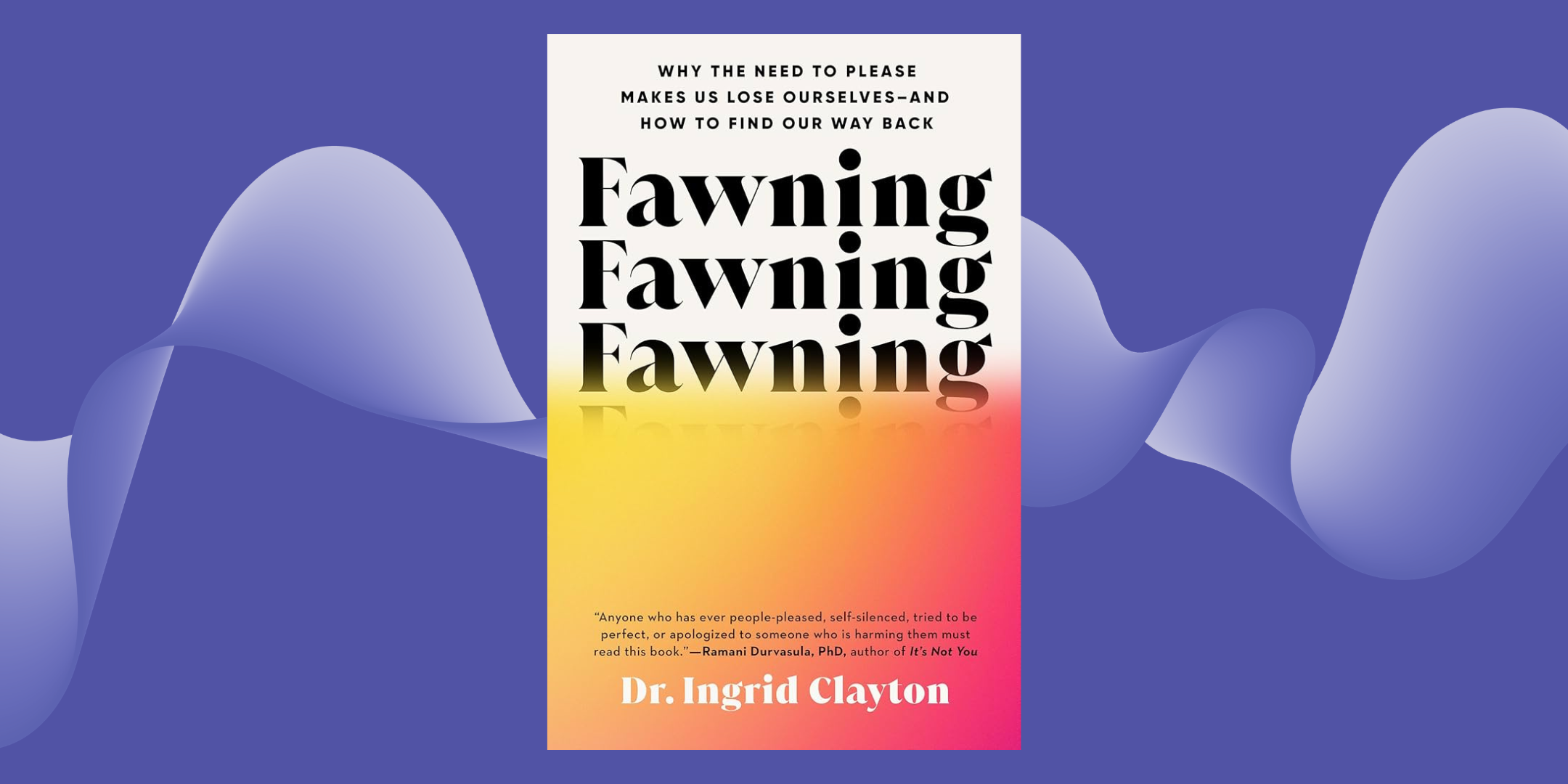
I recently read the book Fawning: Why the need to please makes us lose ourselves and how to find our way back (2025) by Dr. Ingrid Clayton. A client who has Complex PTSD told me that this book was helpful to her in understanding some of the nuances of fawning. I have been familiar with the concept for a while but this is the first book I have seen devoted entirely to this concept and I was curious to explore what the author had to say. The term fawning was coined by psychotherapist, Pete Walker and discussed in his book Complex PTSD: From Surviving to Thriving which was released in 2013. He defines fawning as the fourth trauma response, alongside fight, flight, and freeze. It is a survival mechanism where traumatized individuals seek safety by appeasing, accommodating, and merging with the demands of a perceived threat. He categorizes the fawn response as an instinctual, biologically embedded survival response originating in the nervous system, which later solidifies into a deeply ingrained behavioral pattern. In her book, Clayton shares her own childhood trauma and that understanding fawning was key to her fully recovering and finally being able to stop self-abandoning. She gives great examples of the ways fawning manifests in the lives of some of the clients she has worked with in her private practice.and their journey to healing as well.
There are a number of takeaways that I felt were important from her book:
Fawning is not a conscious choice. It is a survival mechanism and a hybrid response including the flight-flight response which activates the sympathetic nervous system (hyperarousal) and the freeze response which activates the parasympathetic nervous system (hypoarousal) at the same time. So when fawning during a trauma, the person’s nervous system is in a state of arousal and activated to meet the needs of another person to stay safe while at the same time in a freeze response and ignoring their own needs, overriding their gut and abandoning their boundaries.
The fawning family tree of: fawning, people pleasing and co-dependancy and differentiates between them. She sees people pleasing and co-dependancy as adaptive coping mechanisms in dysfunctional moments but not nervous system responses. She also discusses her reactions to co-dependents being labelled as controlling and that there is often some judgement with this as well as people pleasers being uncomfortable with conflict and that this is different than fawning.
Some of the signs and behaviors of fawning including: self minimization, walking on eggshells, overapologizing when someone is upset even if it is not your fault, shape shifting, self shaming, caretaking at the expense of oneself, needing to be liked or chosen, lying to protect or Camouflage, self abandoning to feel safe. This can include sexual and financial fawning as well.
Fawning is a relational trauma and people often repeat traumatic relationships from the past hoping for a better outcome. They often find themselves in emotionally or physically abusive relationships with people who gaslight, invalidate, lovebomb, hoover and future fake.
Unfawning is a process of building a new relationship to oneself that includes establishing both self trust and connection, processing past trauma in therapy, developing a regulated nervous system and regulating to oneself instead of others, setting boundaries, paying attention to what your needs are, being true to your values, taking up space and letting go of toxic relationships.
I thought the book offered some valuable insights and liked that she concluded with saying “unfawning is about welcoming ourselves to the party and a seat at the table”.